


1.Specification:
Molecular Formula: C6H10CaO4
Molar mass: 186.2192 g/mol
Melting Point : 300 °C
Boiling Point: 141.7ºC at 760 mmHg
Flash Point: 57.7ºC
Density g/ml: 1.41[at 20℃]
Structure:
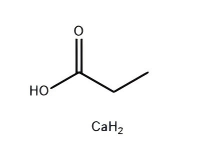
Characteristics and Performance:
Calcium Propionate is easily soluble in alcohol, ether, and benzene, but poorly soluble in water (0.3 g of Calcium propionate is white crystal or white crystal powder or granule, odourless or slightly with propionic acid smell. Calcium propionate used as food additive is monohydrate salt, stable to water and heat, hygroscopic, soluble in water, 39.9g/100mL (20℃), insoluble in ethanol, ether. Add the same amount of dilute sulfuric acid in 10% aqueous solution of calcium propionate, heating can release the special smell of propionic acid. Calcium propionate is alkaline, and the pH value of its 10% aqueous solution is 8~10.
The antiseptic property of calcium propionate is the same as sodium propionate, and it can form propionic acid in acidic medium and play the role of bacterial inhibition. The effective dose of calcium propionate to inhibit mould is smaller than that of sodium propionate, but it can reduce the effect of chemical bulking agent, so sodium propionate is commonly used, however, its advantage lies in the use of calcium propionate in pastry, bread and cheese to supplement the calcium in the food puppet. Calcium propionate can inhibit the propagation of Bacillus subtilis during dough fermentation, the minimum inhibitory mass fraction is 0.01% at pH 5.0, 0.188% at pH 5.8, and the optimum pH should be lower than 5.5.
Analysis Data:
Food grade
Check item | Specifications |
Content | ≥99.0% |
PH(10% aqueous Solution) | 7.5-10.5 |
Heavy metals as pb | ≤0.001 % |
Lead | ≤5mg/kg |
Check item | Specifications |
Iron | ≤50mg/kg |
As | ≤2mg/kg |
Mercury | ≤0.1mg/kg |
Cadmium | ≤1mg/kg |
Feed grade
Content | ≥99.0% |
Loss on drying | ≤9.5% |
free acid or free alkali | Passes test |
10% aqueous Solution | 6.0-9.0 |
Heavy metals as pb | ≤0.001 % |
Iron | ≤50mg/kg |
As | ≤3mg/kg |
Fluorides | ≤30mg/kg |
Water insoluble matter | ≤0.3% |
2.Application:
Uses:
1. As a food addictive, it is listed as E number 282 in the Codex Alimentarius. it is used as a preservative in a wide variety of products, including but not limited to bread, other baked goods, processed meat, whey and other dairy products.
2. In agriculture, it is used, almongst other things, to prevent milk fever in cows and as a feed supplement.
3. propionates prevent microbes from producing the energy they need, like benzoates do.However, unlike benzoates, propionates do not require an acidic environment.
4.As a novel feed additive, primarily used as a mold inhibitor, can extend the shelf life of feed. It has excellent anti-mold and anti-fungal effects against molds, aerobic bud-producing bacteria, and Gram-negative bacteria, and can also inhibit the production of aflatoxin, while being harmless to yeasts, humans, and animals, and has no toxic side effects.
5. Calcium propionate can also be used as an additive in toothpaste and cosmetics, serving as a good preservative.